
When an East Vancouver business retires a company-owned vehicle, the practical issue is not only moving an unwanted car or van. The business also needs a clear paper trail showing who had authority to approve the disposal, which company owns the vehicle, and what happened to the registration, plates, insurance, and commercial records. A short internal review before contacting a vehicle recycler can prevent a driver, bookkeeper, manager, or contractor from assuming they can sign for the company when they cannot. Call 236-201-8504 to discuss your vehicle.
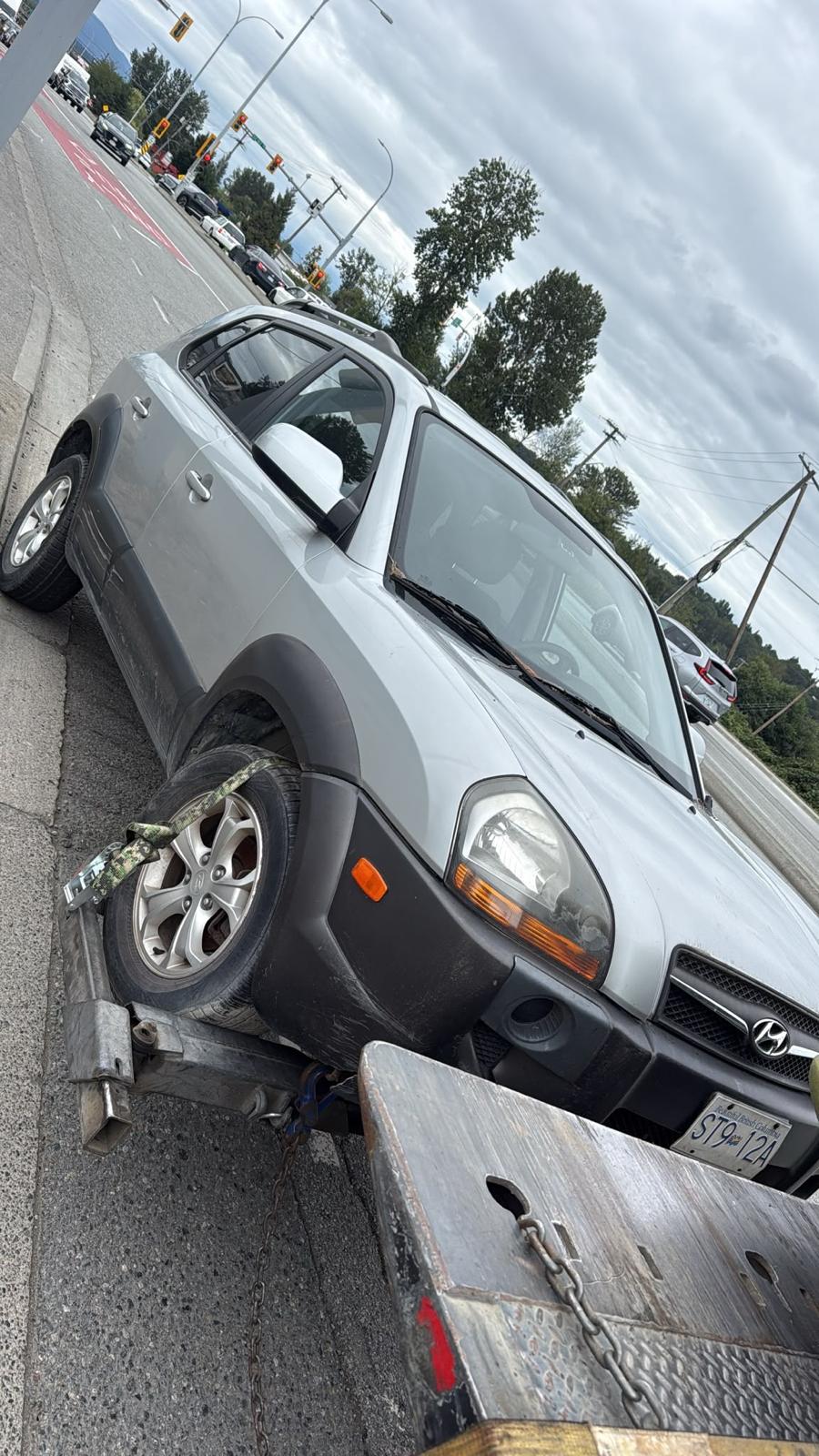
This guide is for business owners, office managers, fleet coordinators, and other sellers arranging disposal of a vehicle registered to a company in Vancouver. It does not replace advice from an Autoplan broker, accountant, lawyer, or the company’s own signing-authority policy. East Van Auto Recyclers can discuss the vehicle and the paperwork you have available at 236-201-8504; any transaction details should be confirmed before the vehicle changes hands.
Start with the company’s ownership file
ICBC describes the registration as the official record of a vehicle and says it identifies the owner. For a vehicle already registered to a person or company in British Columbia, ICBC directs the parties to an Autoplan broker to complete the transfer of ownership and update the registration. The ICBC registration guidance also says the required paperwork includes the registration in the seller’s name.
For a company-owned vehicle, begin by matching the registration to the business name shown in the company’s asset or fleet file. Pull together the original insurance and vehicle registration document, if available, along with the vehicle identification number, licence-plate number, make, model, and internal asset number. Keep copies of purchase records, lease or finance information, repair records, and any prior transfer paperwork that helps explain the vehicle’s history.
Do not treat possession of the keys as proof of authority. The person coordinating disposal should be able to explain their role and, where the business requires it, show a written approval, board or officer authorization, fleet-manager delegation, or other internal record. The exact form of approval is a company matter. It should identify the vehicle and the person allowed to sign or release it, rather than relying on an informal verbal instruction that another party cannot verify.
Separate operational permission from signing authority
A driver may be authorized to park or operate a van without being authorized to sell or dispose of it. A shop supervisor may be able to arrange a pickup without being the person who signs an ownership-transfer document. Make those permissions explicit before scheduling a handoff. If two directors, partners, lessors, or secured parties must approve the decision, obtain that approval before the vehicle leaves the company’s control.
Also check whether the vehicle is leased, financed, jointly registered, subject to a lien, or involved in an open insurance claim. ICBC notes that an active claim may become void when vehicle ownership changes. That is a reason to ask the relevant broker or insurer about the file before signing anything, not a reason to assume the claim or financing disappears when the vehicle is removed.
Use the ICBC documents as the transfer checklist
ICBC’s steps for selling a used vehicle say the registered owner should be able to provide the signed registration document, APV250, proving registered ownership. The page lists the original signed insurance and vehicle registration, plus a completed Transfer/Tax Form, APV9T. It states that all four pages of APV9T must be complete and that original signatures are required.
For a company seller, the person signing should use the company’s legal name exactly as it appears on the registration and follow the business’s signing policy. Do not substitute a trade name, employee’s personal name, or an abbreviated company name unless the broker confirms that it is acceptable. Keep a scan or photocopy of every signed page, the vehicle description, the date, and the identity of the person who approved the transaction.
- Registration and insurance: locate both parts of APV250 and confirm the registered owner, vehicle identification number, and plate information.
- Transfer form: obtain APV9T from an Autoplan broker or download it from ICBC, then complete all four pages with the required original signatures.
- Authority record: retain the internal approval naming the company representative who can release or transfer the vehicle.
- Condition record: write down whether the vehicle starts, rolls, steers, or has known damage, missing keys, warning lights, or stored materials. This is an intake record, not a promise about value.
- Handoff record: record the date, vehicle identification number, plate status, receiving party, and copies of documents exchanged.
ICBC recommends going to an Autoplan broker with the buyer so the registration transfer is processed promptly and the seller’s name, insurance, and licence products are removed from the vehicle registration record. If the parties cannot attend together, ICBC says the seller should keep copies of related documentation with original signatures from both parties. A business should also ask its broker how company authorization should be evidenced in its particular case.
Account for Vancouver commercial-vehicle records
A company vehicle may have local operating records in addition to its ICBC file. The City of Vancouver says commercial vehicle decals are valid from January 1 to December 31 within the City of Vancouver. It also says that a business using a vehicle without permanent signage clearly identifying the company name needs a commercial vehicle licence plate as well as a decal, and that both must be displayed.
Those details matter when closing a fleet file. Photograph or record the decal and commercial plate before removal, then note whether they were removed, returned, or retained according to the applicable instructions. The City’s commercial vehicle permits and decals page says decals and plates must be visible from the exterior while in use. It also says the commercial decal rules apply to public and on-street commercial loading zones and lanes, while rules for off-road areas and private lots are still enforced. Do not assume that a commercial decal authorizes storage, loading, or parking at a private business property.
Update the company’s fleet register, insurance schedule, parking or access list, and accounting asset record when the vehicle leaves the business. If the vehicle carried tools, customer information, fuel cards, access fobs, telematics equipment, or branded materials, remove those items before the handoff. Keep the disposal file with the company’s other asset records so a future manager can distinguish the vehicle’s retirement from a parts purchase or an employee vehicle assignment.
Plan fluid and hazardous-material questions separately
Do not pour out, drain, or abandon vehicle fluids to make a vehicle easier to move. Metro Vancouver says hazardous waste and operational-impact materials are banned at all of its waste facilities. Its hazardous-waste guidance says some wastes require special handling and disposal, and specifically lists waste oil among hazardous wastes. The same page identifies liquids and sludge as operational-impact materials.
Before arranging disposal, tell the receiving business about known leaks, loose batteries, damaged fuel or oil containers, refrigerant concerns, or other unusual conditions. Keep the description factual. A recycler or waste professional must determine what handling route is appropriate; the seller should not claim that a particular fluid, battery, or component will be accepted, recycled, or removed unless that outcome has been confirmed.
A practical East Vancouver handoff conversation
When you call, identify the company name on the registration, your role, the vehicle’s location, whether it is accessible, and whether you have APV250 and APV9T available. State who will be present to release the vehicle and whether another company representative must sign. Ask what documents the receiving party needs to review, what records the company should retain, and whether the vehicle’s condition creates any special handling question. These questions keep the conversation about an authorized disposal decision rather than an improvised sale.
East Van Auto Recyclers can discuss the seller’s facts and paperwork at 236-201-8504. Confirm the company’s authority and ICBC steps with the appropriate professionals before completing a transfer. We do not sell used parts.